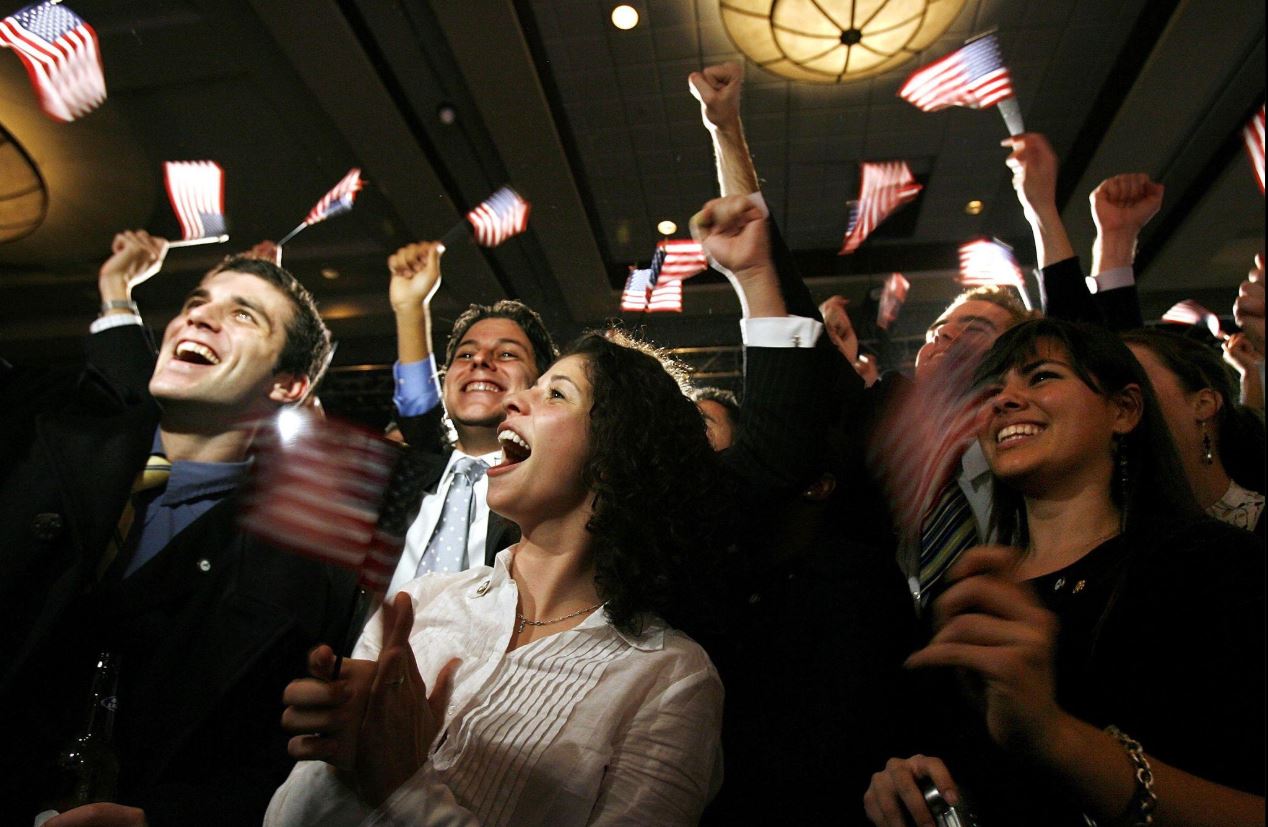
The Democratic Party’s sweeping victory in the US midterm elections has reshaped the country’s political landscape, with voters handing Democrats control of both chambers of Congress in a major setback for President Donald Trump. The results could also open new opportunities for Pakistani Americans and other immigrant communities seeking greater political representation and a stronger voice in Washington.
Democrats secured control of the House of Representatives and the Senate in Tuesday’s elections, giving the party significant influence over legislation, government oversight and the direction of national policy during the final two years of Trump’s presidency.
The election outcome reflects growing voter dissatisfaction over the rising cost of living, inflation, economic uncertainty and the administration’s foreign policy, including the war involving Iran. Democrats also made significant gains in traditionally Republican areas, signalling a broader shift in voter sentiment.
For Pakistani Americans, particularly in communities across Houston and the wider Texas region, the results carry significance beyond the national political contest. Issues such as immigration, religious freedom, discrimination, economic opportunity, education and access to public services remain important concerns for many families.
The election has also highlighted the growing political participation of Muslim and South Asian Americans. Ahead of the vote, Pakistani American community leaders in Houston had called for greater voter registration and participation, emphasizing that electoral engagement is essential to ensuring that community concerns receive attention from elected representatives.
The changing political landscape may provide an opportunity for Pakistani American voters to strengthen their engagement with lawmakers and push for greater attention to issues affecting immigrant families. However, a Democratic majority does not automatically guarantee policy changes, and the community’s priorities will depend on sustained engagement with representatives from both parties.
Pakistani American representation gains visibility
The elections have also drawn attention to Pakistani American participation in political leadership across the country. Several candidates of Pakistani origin reportedly secured victories or retained their seats in state legislatures, including Salman Bhojani and Suleman Lalani in Texas, Saud Anwar in Connecticut, Maryam Sabeih in Pennsylvania and Farooq Mughal in Georgia.
Their electoral success reflects the increasing presence of Pakistani Americans in the US political process, particularly at the state level, where decisions on education, healthcare, taxation, business regulation and local services directly affect residents.
For Houston’s Pakistani American community, the re-election of Pakistani-origin lawmakers in Texas is particularly significant. Their presence in the state legislature provides an additional channel through which community concerns can be raised and discussed within the political system.
What changes under a Democratic Congress?
With Democrats preparing to take control of both chambers, the coming months are expected to bring increased scrutiny of the Trump administration. Congressional investigations, debates over federal spending, immigration policies and foreign affairs could dominate the political agenda.
For immigrant communities, immigration enforcement, visa procedures, family reunification and protections against discrimination will remain closely watched issues. Pakistani Americans may also follow developments concerning US-Pakistan relations, regional security and policies affecting international students, skilled workers and business owners.
At the same time, President Trump has indicated that he may veto legislation he considers unacceptable, suggesting that political confrontation between the White House and Congress could intensify.
For Pakistani Americans and other minority communities, the election results offer both an opportunity and a challenge: an opportunity to seek stronger representation and influence policy debates, and a challenge to ensure that electoral participation translates into meaningful political attention.
As the new Congress prepares to take office in January, the extent to which these political changes benefit immigrant communities will depend not only on decisions in Washington but also on continued civic participation, community organisation and engagement with elected officials.