HOUSTON, Texas — October 20, 2026 — Automated license-plate reader cameras are facing renewed scrutiny across the Houston area as residents and local officials weigh their potential role in solving crimes against concerns about privacy and access to personal data.
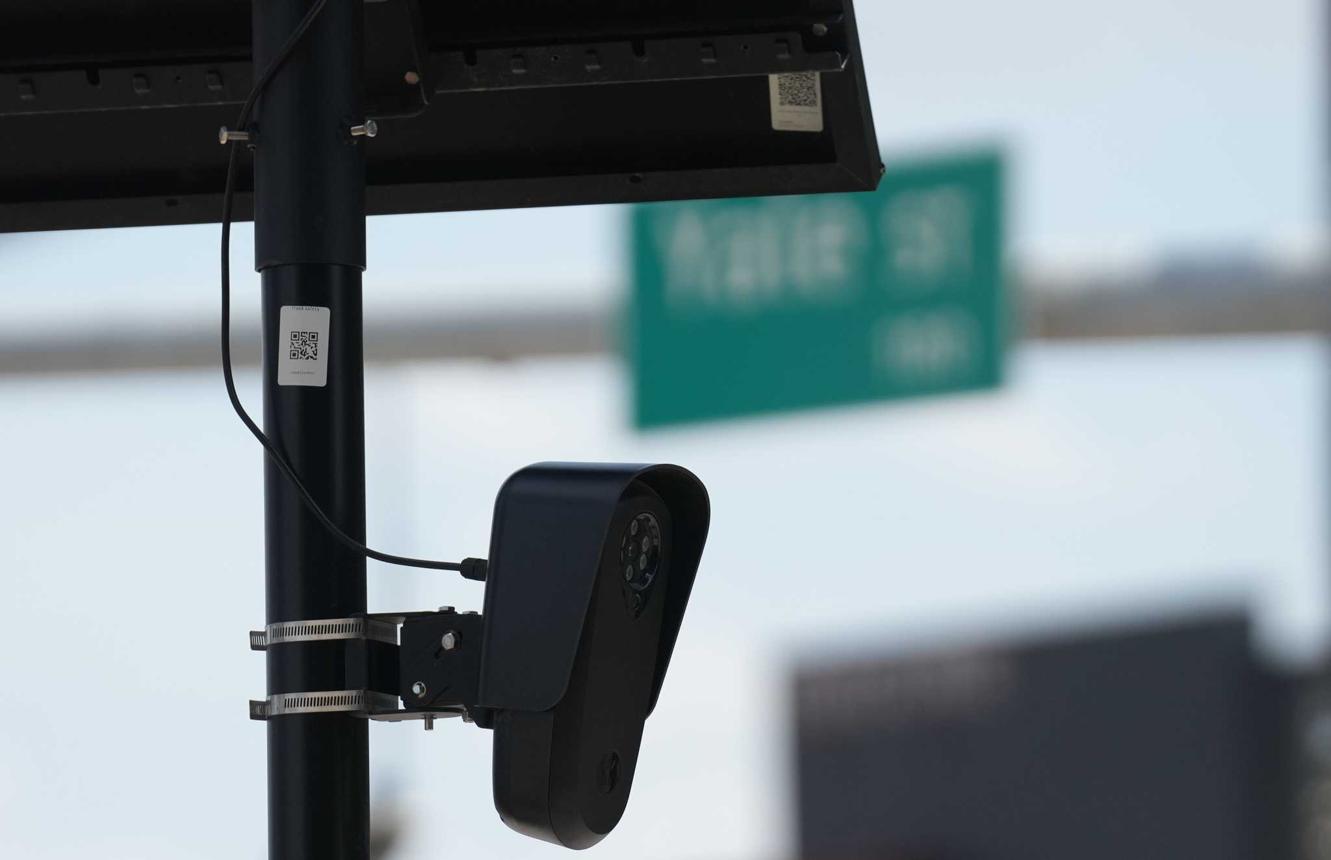
The debate has intensified in recent weeks. Harris County Precinct 4 has taken 61 Flock Safety license-plate reader cameras offline amid privacy concerns. In League City, voters are scheduled to decide on November 3 whether the police department should continue using the technology. The city has also committed to disabling or removing the cameras within 72 hours if voters reject their continued use.
The cameras photograph passing vehicles and record license-plate information, which law enforcement agencies may use to assist investigations. Supporters argue that the technology can help police identify vehicles connected to reported crimes and locate suspects.
Critics, however, question how much information is collected, who can search the records, how long data is retained and whether information can be shared beyond its original purpose. These questions have become central to the broader national debate over automated surveillance.
The issue is not simply whether cameras can help solve crimes. It is also whether their use is governed by clear rules, meaningful oversight and safeguards against unauthorized access or misuse.
For Houston-area residents, practical questions include whether cameras operate in their communities, which agencies control the data and what policies govern searches and information sharing. Residents can ask their local police departments and elected representatives for written policies, audit procedures and public reporting on camera use.
The debate is particularly relevant to communities that want effective crime prevention while protecting civil liberties. A transparent system should make its public-safety goals clear and explain how personal information is protected.
What residents can do: Review local government meeting records, ask elected officials about surveillance policies and follow the November 3 League City ballot measure through official election sources.
The outcome in League City will provide an important local test of how residents balance law-enforcement technology with privacy protections.