The decision to deactivate 61 cameras in Precinct 4 has intensified a wider debate over public safety, data access and the privacy of residents across the Houston area.
HOUSTON, Texas — A growing debate over surveillance and personal privacy has reached a significant turning point in Harris County, where Precinct 4 Commissioner Lesley Briones has ordered all 61 Flock Safety cameras under her precinct’s control to be taken offline.
The cameras were covered on October 8 following concerns raised by residents about who can access the information collected, how that data is shared and whether it can be used improperly. The decision comes ahead of a scheduled October 15 discussion at Harris County Commissioners Court on the county’s wider use of Flock camera technology. .
The move does not mean that all Flock cameras across Houston or Harris County have been switched off. It applies specifically to the 61 cameras controlled by Precinct 4.
What do these cameras actually do?
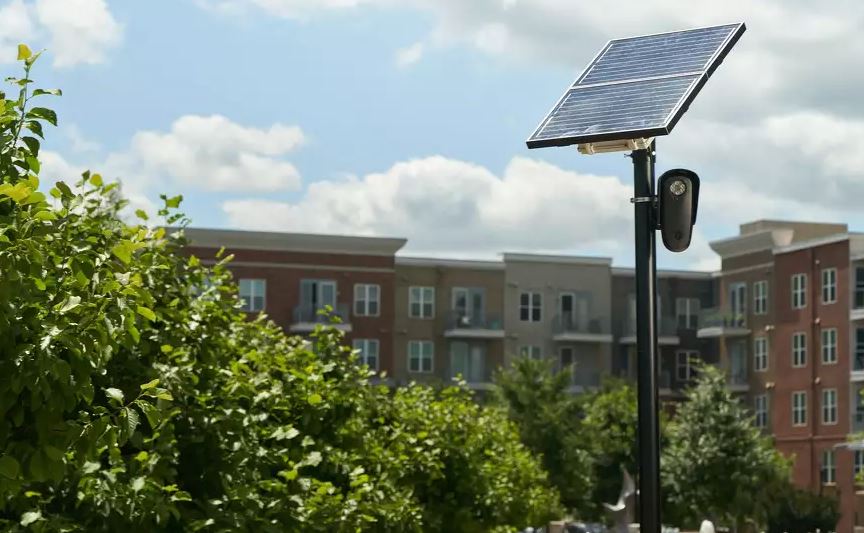
Flock Safety operates surveillance technology that includes automated license plate readers. These systems capture vehicle information, including license plates, and can help law enforcement identify vehicles associated with reported crimes, stolen cars or criminal investigations.
Precinct 4’s network included 48 security cameras and 13 automated license plate readers spread across nine parks and facilities.
Supporters of the technology argue that searchable vehicle records can help investigators respond more quickly and identify suspects. However, critics say the same technology can create a detailed record of people’s movements, raising concerns about how long information is retained, who can search it and whether it is shared beyond its original purpose.
The central question is not simply whether cameras can help solve crimes. It is also whether there are sufficient safeguards to prevent collected information from being accessed or used inappropriately.
Why were the cameras shut down?
According to Precinct 4’s official announcement, residents had raised concerns about access by outside agencies, the authority of vendors to disclose information, improper searches by authorized users and the retention of downloaded records after the original data expires.
Briones said that public safety includes protecting residents’ privacy and the privacy of their families. She also acknowledged that such cameras can be useful tools while raising concerns about private ownership of data and the use of artificial intelligence.
Officials have not identified a specific incident involving the Precinct 4 system as the direct reason for the shutdown. The decision was presented as a response to broader concerns about privacy, oversight and data governance.
The shutdown also leaves practical questions to be answered, including how the loss of camera coverage could affect investigations and what will happen to information collected before the cameras were deactivated.
Could the decision affect public safety?
The answer is not yet clear.
Law enforcement agencies use license plate readers to help locate stolen vehicles and identify vehicles connected to investigations. Removing a camera network could limit one source of information available to investigators, particularly at locations where no equivalent system remains.
At the same time, surveillance systems need clear rules governing access, storage, sharing and accountability. Without effective oversight, even technology introduced for legitimate public-safety purposes can raise serious privacy concerns.
The challenge for local officials is to determine how these systems can be used responsibly, with transparent policies and meaningful safeguards, without unnecessarily compromising either public safety or civil liberties.
It is also important to understand the scope of this decision: the shutdown concerns Precinct 4’s cameras, not every surveillance system in the Houston region. Other cameras may continue operating under separate arrangements.
What happens next?
Harris County Commissioners Court is scheduled to discuss the county’s Flock camera arrangements on October 15. The discussion is expected to address the use of the technology, access to collected data, camera locations and safeguards against misuse.
The wider debate will likely focus on whether existing rules are sufficient, what oversight should be required and whether residents should have clearer information about how surveillance technology operates in their communities.
For Houston residents, the issue is worth following because it concerns more than cameras in parks. It touches on the collection of information about everyday movements, the responsibilities of law enforcement and the limits that should apply to technology used in the name of public safety.
Why this matters to Houston’s Pakistani-American community
For Pakistani-American families living in Houston and the surrounding suburbs, the debate has practical relevance. Many residents drive regularly for work, school, shopping, religious gatherings and community events. Understanding how license plate readers work—and what rules govern access to their data—can help people make informed decisions about local public-safety issues.
The issue should not be framed as a reason to fear surveillance or assume that personal information has been misused. Rather, it is an opportunity for residents, including members of Houston’s Pakistani-American community, to ask local officials clear questions: Who can access the data? How long is it retained? Under what circumstances can it be shared? What independent oversight exists when the system is misused?
Residents can follow the October 15 Commissioners Court discussion, review official county updates and contact their elected representatives with questions or concerns.
The broader lesson is straightforward: public safety and personal privacy should not be treated as mutually exclusive. Houston’s challenge is to ensure that technology serves the community while remaining transparent, accountable and subject to clear rules.