HOUSTON, September 24, 2026 — A Cyclospora outbreak that drew attention across the Houston area this summer was part of an unusually large 2026 season, with federal health officials reporting nearly 20,000 laboratory-confirmed cases of cyclosporiasis acquired in the United States between May 1 and August 31.
The Centers for Disease Control and Prevention reported 19,883 confirmed U.S. cases and 1,064 hospitalizations as of September 15. The agency says the figures are still subject to change because it can take about six weeks from the onset of symptoms for case information to reach the CDC.
In Texas, state health officials previously reported 123 Cyclospora cases, including 90 in the Houston area, with 23 hospitalizations. Those Houston-area figures were reported in July and should be viewed as an earlier snapshot rather than the current statewide or local total.
The Houston-area cases at that time included 38 in unincorporated Harris County, 21 in the City of Houston, 16 in Montgomery County, 13 in Galveston County and two in Brazoria County. Officials were also awaiting additional information from Fort Bend County.
What has changed since the summer?
There has been an important development for consumers.
Federal health officials investigated a major multistate Cyclospora outbreak associated with iceberg lettuce. The CDC declared that particular outbreak over on September 11. The FDA, however, says its investigation into the source and root cause is continuing, along with investigations into other Cyclospora clusters.
That distinction is important: the end of the iceberg-lettuce outbreak does not mean Cyclospora has disappeared.
The CDC says multiple clusters remain under investigation and that additional cases from the 2026 season may continue to be reported because of the delay between illness, diagnosis and reporting.
What is Cyclospora?
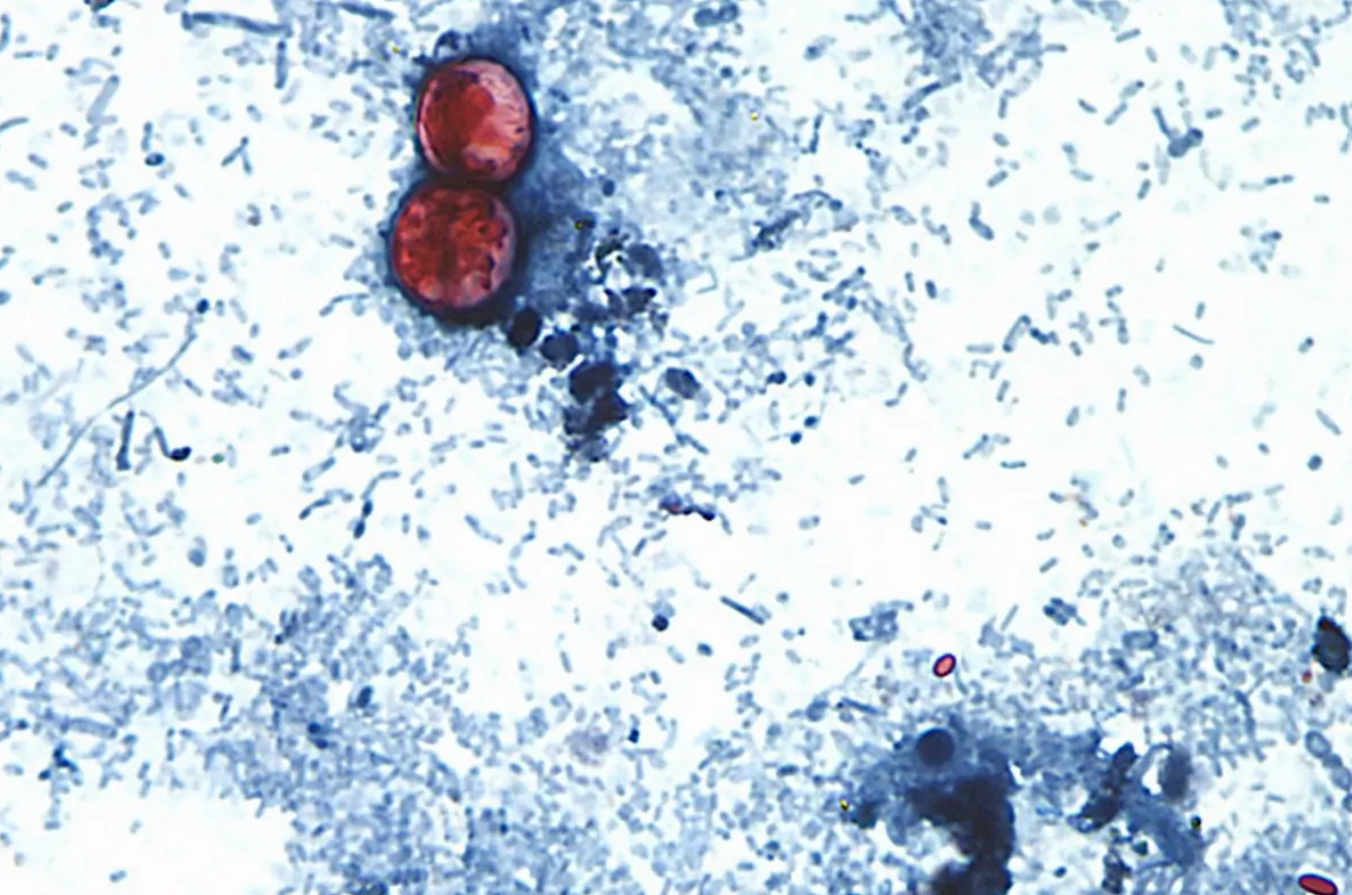
Cyclospora is a microscopic parasite that causes an intestinal infection called cyclosporiasis.
According to the Texas Department of State Health Services, infection occurs when people consume food or water contaminated with the parasite. Previous U.S. outbreaks have been associated with fresh produce including cilantro, packaged salad mixes, raspberries, basil, snow peas and mesclun lettuce.
This does not mean these foods are currently contaminated. It means they have been associated with Cyclospora outbreaks in the past.
Symptoms can last for weeks
Symptoms generally begin two to 14 days after exposure and can include:
- Watery diarrhea
- Abdominal cramps
- Bloating and increased gas
- Nausea or vomiting
- Loss of appetite
- Fatigue
- Weight loss
- Low-grade fever
Texas health officials warn that diarrhea can continue for weeks or even a month or longer, and symptoms can disappear and then return.
Anyone experiencing persistent diarrhea or significant fatigue should speak with a healthcare provider. Cyclospora requires specific laboratory testing and may not be detected through routine stool testing. Texas health officials note that because the parasite can be shed intermittently, one negative stool test does not necessarily rule out infection.
What should Houston shoppers do?
Health officials are not advising people to stop eating fresh fruits and vegetables.
Instead, Texas DSHS recommends thoroughly washing fresh produce under running water and scrubbing firm produce with a clean brush. However, washing may not completely remove Cyclospora from some foods. Cooking food to at least 158°F (70°C) can kill the parasite.
Consumers should also wash their hands before preparing food and after using the bathroom, and take care when handling produce that will be eaten raw.
A message for Houston’s Pakistani and South Asian community
For Houston’s Pakistani and South Asian families, the information is particularly relevant because many everyday meals use fresh cilantro, mint, leafy greens, salad ingredients and other raw produce.
There is no evidence that Pakistani or South Asian food is responsible for the Houston cases. The concern is not about a particular cuisine or community; it is about how fresh produce is handled, washed and prepared.
Families buying coriander, mint, lettuce, berries or other fresh ingredients should wash them thoroughly under running water before consumption and keep produce preparation areas clean.
And if someone develops persistent watery diarrhea, severe fatigue, loss of appetite or unexplained weight loss, it is worth telling a healthcare provider that Cyclospora may be a possibility — particularly given the unusually large number of infections reported during the 2026 season.
For now, the key message from health authorities is caution rather than panic: the major iceberg-lettuce outbreak has ended, but investigations into other Cyclospora clusters continue, and additional 2026 cases may still be reported.