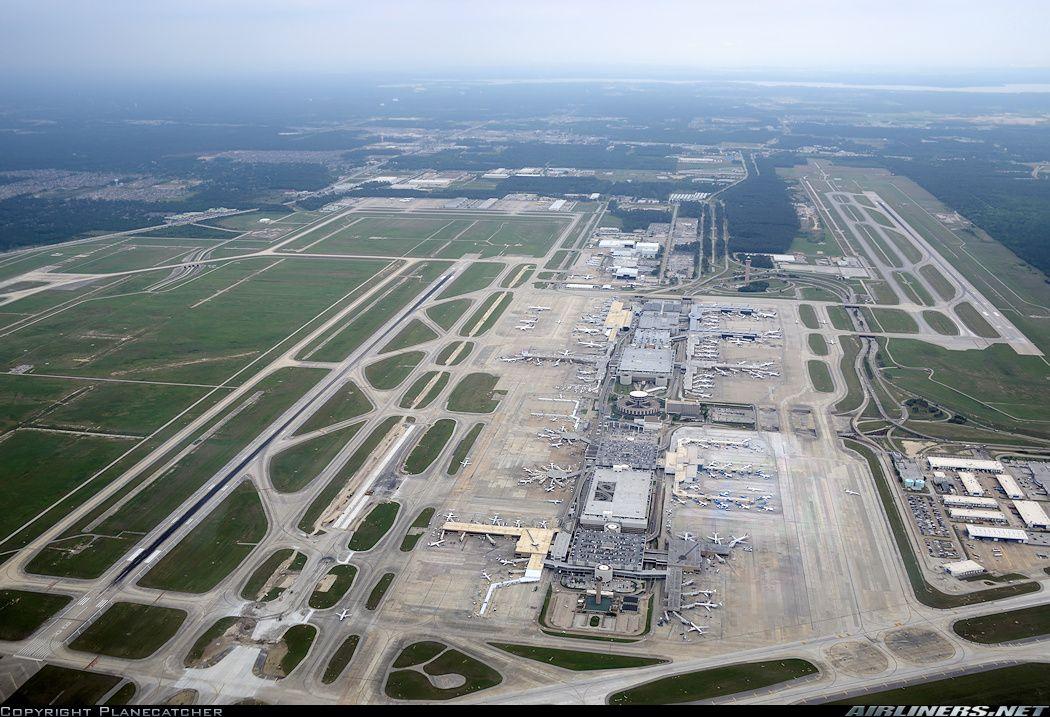
HOUSTON — September 8, 2026 — Houston is moving ahead with a $129.9 million investment at George Bush Intercontinental Airport (IAH) aimed at improving airport access, parking, stormwater infrastructure and overall operational capacity as international travel through the city continues to grow.
For Houston’s Pakistani community, which maintains strong family, business and cultural ties with South Asia, developments at IAH have a direct impact on international travel. The airport is an important gateway for residents traveling between Houston and destinations across Asia, including connections onward to Pakistan.
Houston Mayor John Whitmire and the City Council approved the initial funding Tuesday for seven infrastructure projects at IAH. The wider program is expected to total $229.9 million and will be funded through airport system resources rather than the city’s General Fund or local tax revenue.
IAH sees record international traffic
The investment comes as Houston’s airport system continues to handle growing international demand.
IAH welcomed more than 48 million passengers in 2025, including a record 12.4 million international travelers, an increase of 2.5 percent from the previous year.
Houston’s expanding connections with Asia, Latin America, Canada and Europe are increasing pressure on airport infrastructure, particularly during peak travel periods.
For Pakistani families in the Houston area, many of whom travel internationally for family visits, business, education and other purposes, improvements at IAH could mean a more efficient experience from the time they arrive at the airport to the time they reach their terminal.
More parking and easier access
One of the largest projects will create an 8,100-space off-site parking facility for United Airlines and other airport employees.
Moving employee parking away from passenger facilities is expected to free up more parking capacity for travelers.
The Terminal A/B parking garage will also receive upgrades. The number of entrance lanes will be doubled from two to four, with additional canopies and updated parking-access equipment.
These changes are designed to ease congestion and improve access during busy travel periods, when international passengers can face particularly heavy traffic around airport terminals.
Airport prepares for severe weather
The program also places significant emphasis on the weather resilience of IAH.
Stormwater detention basins at Reinhardt Bayou, Garners Bayou and Turkey Creek will be expanded, while drainage infrastructure will be improved.
The changes are intended to strengthen the airport’s ability to handle heavy rainfall and severe weather — an important consideration in the Houston region, where intense storms can disrupt roads, flights and airport operations.
The program also includes improvements to the North Terminal Road water line and expanded airfield-entry checkpoints.
More aircraft capacity
Near the IAH East Cargo Complex, a new concrete pad will provide additional aircraft holding and parking capacity.
The facility will accommodate either nine aircraft holding positions or 14 overnight parking positions for narrowbody aircraft, giving airlines greater flexibility during severe weather and other operational disruptions.
A pedestrian bridge connecting the parking garage with Terminal C will also receive cosmetic and nonstructural repairs following vehicle-impact damage.
What the investment means for Houston travelers
United Airlines will manage the development and construction under an agreement with Houston Airports. The city will reimburse approved costs through airport system funds, with expenses recovered through rates and charges paid by airlines and other airport users.
Design and construction are expected to take place over the next three years.
The airport program is separate from the ongoing Terminal B Transformation.
For Houston’s Pakistani community and other internationally connected residents, the investment is more than an airport construction program. As families continue to travel regularly between Houston and South Asia, the improvements are expected to strengthen the city’s role as a global gateway while making one of Houston’s busiest international travel hubs better equipped for the years ahead.