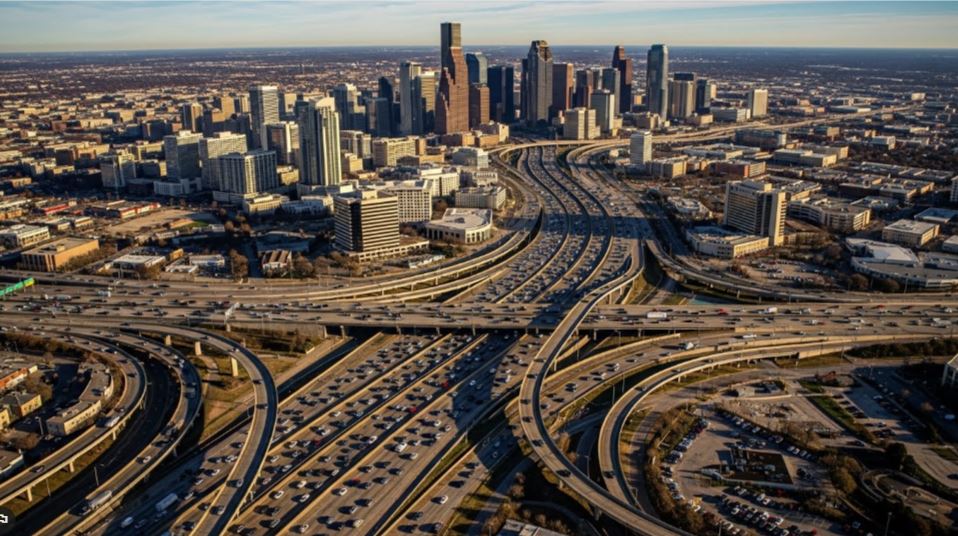
Residents of the Greater Houston area are spending a larger share of their income on transportation than people in any other major metropolitan region in the United States, according to a new report released by the U.S. Bureau of Labor Statistics.
Data covering 2023 and 2024 shows that Houstonians devoted nearly 20 percent of their total spending to transportation, almost three percentage points higher than the national average. This figure is also higher than all other 21 major metropolitan areas included in the BLS report, surpassing cities such as Los Angeles, Miami, San Francisco, and New York.
Housing costs in Houston are also slightly above the national norm. Residents spent an average of 33.9 percent of their household budgets on housing, compared to the nationwide average of 33.2 percent. While higher than average, Houston still remains more affordable than cities like Honolulu, New York, and Miami, where housing costs consume a much larger share of household income.
The Dallas–Fort Worth metroplex shows a similar trend, with residents spending more on transportation and housing than the national average. However, those proportions remain lower than Houston’s, placing DFW second behind Houston in transportation spending.
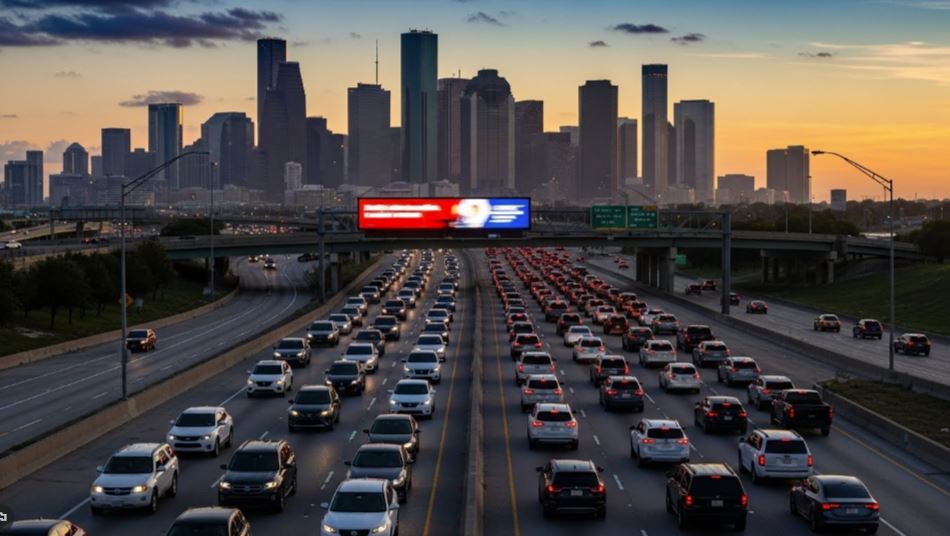
According to BLS economist Edward Leps, population growth and economic opportunity are major factors behind these spending patterns. He noted that people continue moving into the Texas Triangle due to its strong and expanding economy over the past decade, making it one of the most active economic regions in the country.
Despite higher spending levels, Houston residents also earn more. The average household income in the Houston area during 2023 and 2024 stood at $105,800, roughly $2,800 above the national average. Even so, total household expenditures were about $7,500 higher than those of the average American.
Entertainment spending also stands out. While the average American allocated 4.6 percent of their budget to entertainment, Houstonians spent 6.1 percent, reflecting a stronger emphasis on leisure and recreation.
In contrast, Houston residents spent a smaller share of their income than the national average on essentials such as food, healthcare, and education, balancing out some of the higher transportation and housing costs.
The BLS report highlights how Houston’s car-dependent infrastructure and rapid regional growth continue to shape household spending, making transportation the city’s most significant cost difference compared to the rest of the country.