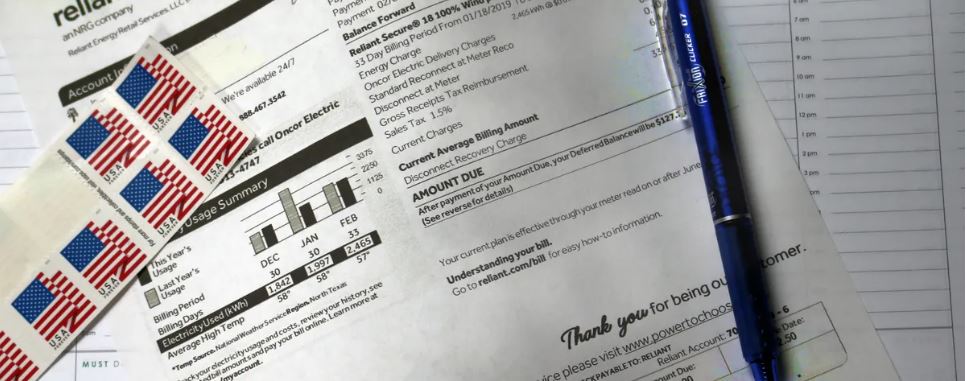
In certain situations, regulated electric companies cannot disconnect your electricity, including:
- When a heat advisory has been issued.
- When the temperature has not exceeded 28°F the previous day and is not expected to rise above that level in the next 24 hours.
- On weekends, public holidays, or the day before, if payment offices are closed.
- If you can prove that disconnection would endanger the health of someone in the household.
- If the electricity provider has received payment confirmation from an energy assistance program.
How to Prevent Your Electricity from Being Disconnected
If you are struggling to pay your electricity bill, contact your provider immediately and explore these options:
- Deferred Payment Plan: Allows you extra time to pay your bill.
- Average Payment Plan: Enables you to pay a fixed amount each month to avoid fluctuations in bills.
- Bill Assistance Programs:
- Payment Assistance Programs
- Weatherization Assistance
- Energy Efficiency Programs
For more details, visit the Public Utility Commission or Office of Public Utility Counsel websites, which advocate for residential and small business customers.
Important Legal Points
- If a previous tenant left unpaid bills, you cannot be denied service because of it.
- If you fail to pay your bill, you must receive a disconnection notice at least 10 days in advance.
- Public Utility Commission regulations apply only to private utility companies. If your electricity, water, or sewer services are managed by a municipality or cooperative, these rules may not apply.
What to Do If You Have Issues With Your Electricity Provider
- First, contact your electricity provider and request a resolution.
- If customer service does not provide a satisfactory response, ask to speak with a supervisor.
- If the issue remains unresolved, file a complaint with the Public Utility Commission.