Police Officers Cleared of Recklessness
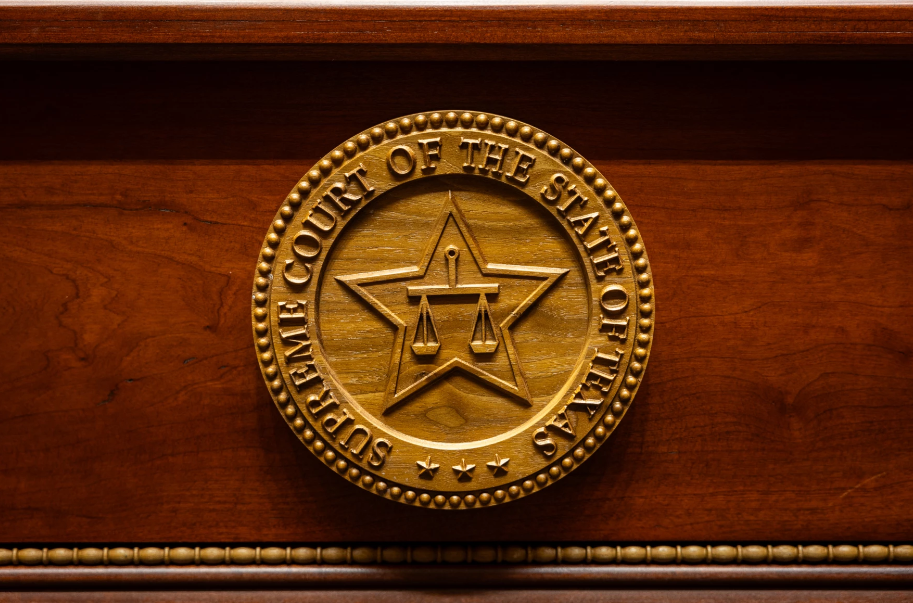
The Texas Supreme Court ruled that officers involved in separate police chase crashes in Austin and Houston were not acting recklessly or in bad faith. The court’s decision shields the cities from lawsuits, citing governmental immunity under the Texas Tort Claims Act.
Austin Case: Officer Actions Deemed Non-Reckless
In 2018, Austin officers Michael Bullock and Brandon Bender pursued a suspect following gunfire in a neighborhood. During the chase, Bullock’s vehicle collided with Bender’s and then struck Noel Powell, an uninvolved driver. The court found that Bullock’s actions, including driving with lights and sirens activated, were not reckless but amounted to negligence. Justice Evan Young emphasized Bullock’s efforts to minimize potential harm.
Houston Case: Officer Acted in Good Faith
In 2019, Houston officer Ricardo Corral collided with Ruben Rodriguez’s truck while chasing a suspect during a prostitution sting. Corral claimed his brakes failed to prevent the crash. The court determined his actions, including making a wide turn, reflected a reasonable split-second decision during a high-stakes pursuit. Justice John Devine noted that such maneuvers are common in police chases.
Legal Protections Strengthened for Police and Cities
Both lawsuits were dismissed, reinforcing the legal shield for police officers and cities in emergency scenarios. The cities of Austin and Houston supported the rulings, highlighting the complexities of police decision-making under pressure.
Bystanders Face Limited Legal Recourse
The court acknowledged the challenges faced by bystanders like Powell and Rodriguez, who have few options for legal relief. Justice Young noted that revising these laws falls to the Legislature, not the courts.
Concerns Over High-Speed Pursuits
In a concurring opinion, Justice Brett Busby stressed the risks of high-speed chases, especially for nonviolent crimes. He cautioned against pursuing suspects without reasonable suspicion of harm or danger, highlighting the potential for fatal consequences.
These rulings underscore the tension between protecting public safety and ensuring accountability for police actions. While cities and officers benefit from immunity, the decisions leave bystanders with limited paths for justice.