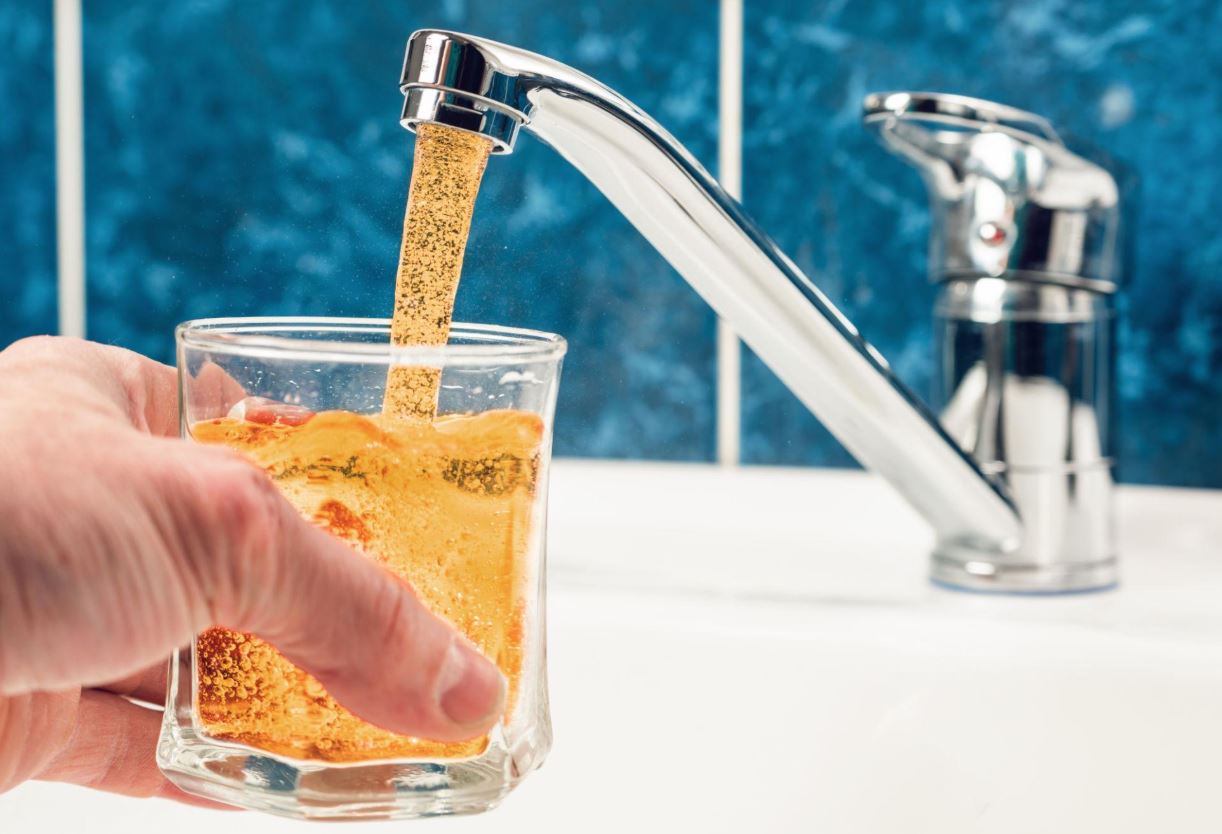
HOUSTON, October 12, 2026 — Residents in parts of the Houston area continue to report brown or rusty-looking tap water, raising concerns about water quality, ageing infrastructure and the time needed to make permanent repairs.
A recent investigation by KPRC 2, published October 9 and updated October 11, found that complaints have continued despite repeated attempts to clear water lines and other temporary measures.
Houston recorded 92 complaints about brown water through its 311 system so far in 2026, compared with 138 complaints during all of 2025, according to the investigation.
The problem has affected residents in Houston and surrounding communities, including parts of Montgomery County. In some neighbourhoods, residents say the discoloured water returns even after utility providers flush the pipes.
Why is tap water turning brown?
One possible cause is the buildup of rust and sediment inside older iron water pipes. As iron corrodes, particles can enter the water supply and give the water a yellow, reddish or brown appearance.
Laboratory testing conducted for the KPRC 2 investigation found elevated iron levels in samples from affected areas. However, the cause and water quality can differ between locations, and the appearance of water alone cannot establish whether it is safe to drink.
The investigation also highlighted a problem for customers trying to obtain answers: responsibility may be divided between the City of Houston, municipal utility districts and other water providers. Water supplied by one authority may travel through pipes managed by another before reaching a home.
That can make it difficult for residents to determine which organisation is responsible for investigating the problem and carrying out permanent repairs.
Ageing infrastructure adds to the challenge
Houston continues to replace older water pipes, but the scale of the infrastructure means repairs take time.
According to information provided to KPRC 2, about one-quarter of the city’s water pipes are made of ductile or cast iron, while approximately half are PVC. Some of the older pipes are around 50 years old.
Houston Public Works Chief Water Officer Drew Molly told KPRC 2 that the department aims to replace approximately 2% to 3% of its pipe inventory annually, compared with replacement rates generally below 1% during the previous decade.
In one affected neighbourhood, Saddle Creek Farms, the city is planning to replace about three miles of cast-iron pipes. The revised target reported by KPRC 2 is to begin construction in 2028.
However, no permanent repair timeline was provided for the affected Montgomery County neighbourhood discussed in the investigation.
What should residents do if their water turns brown?
Residents who notice brown water should report it to their water provider and ask whether the problem is localised, whether the water has been tested and what precautions are recommended.
Until the provider confirms the situation and gives appropriate guidance, residents should avoid assuming that discoloured water is safe to drink or use for cooking. If the water remains discoloured, they should seek advice on whether to use an alternative water supply.
Residents should also:
- Record when the problem occurs and whether it affects multiple taps.
- Photograph the discolouration and keep a record of complaints.
- Ask the utility provider for water-quality test results and updates on corrective action.
- Contact the Texas Commission on Environmental Quality (TCEQ) if the issue remains unresolved or they believe water-quality requirements are not being met.
The TCEQ accepts complaints about drinking-water concerns, although an investigation may not confirm a violation if the problem is not present during inspection.
A question of public confidence
For residents, recurring discolouration is not simply an inconvenience. It raises questions about infrastructure maintenance, accountability and access to clear information about drinking-water quality.
While iron can affect water’s colour, taste and appearance without necessarily indicating an immediate health risk, residents should not have to rely on appearance or reassurance alone. Timely testing, clear communication and lasting repairs are essential to maintaining public confidence in the water supply.