HOUSTON, TX — Houston has spent decades trying to control flooding through concrete channels, drainage systems, detention ponds and other forms of traditional infrastructure. But as extreme rainfall continues to challenge the region, a different idea is gaining attention: use nature itself as part of the flood-control system.
That means protecting wetlands, restoring bayous, expanding green spaces and preserving land that can absorb and hold stormwater before it reaches homes, businesses and roads.
For Houston’s Pakistani-American community, this is more than an environmental discussion.
It is also about homes, businesses, property values, insurance costs and the long-term security of family investments.
Why this matters to Houston’s Pakistani community
Pakistani-Americans are deeply connected to Houston’s residential, commercial, medical, engineering and technology sectors. Families have invested in homes, shopping centers, clinics, restaurants, grocery stores and other businesses across the Greater Houston area.
Many of these investments are located in communities that have experienced flooding during major storms and periods of intense rainfall.
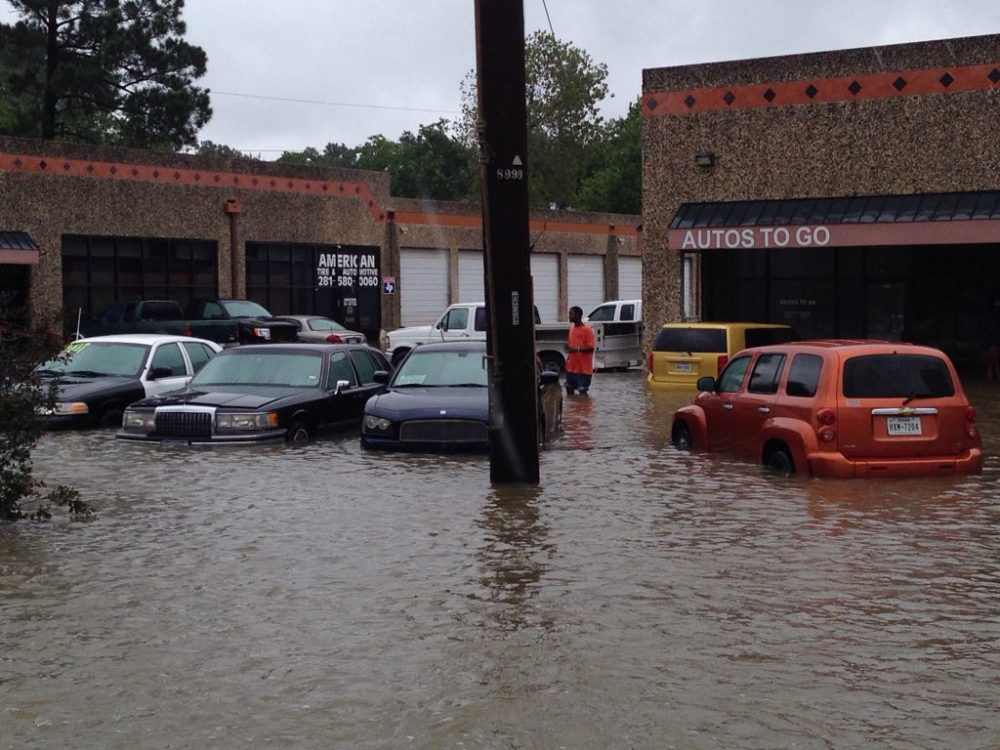
Hurricane Harvey remains a powerful reminder of what flooding can do to Houston-area communities. But the challenge is not limited to one hurricane. Heavy rainfall and localized flooding can create problems even without a major named storm.
That is why the debate over Houston’s future flood strategy matters to families who have spent years building their financial security through property ownership and small businesses.
From concrete to green infrastructure
Traditional flood protection often relies on what experts call gray infrastructure, drainage pipes, concrete channels, flood-control structures, detention systems and other engineered solutions.
These systems remain important.
But green infrastructure takes a different approach.
Wetlands, restored waterways, parks, open land and other natural areas can help absorb, slow and temporarily store rainwater. When incorporated into urban planning, these spaces can become part of a broader flood-management strategy.
The idea is not necessarily to replace Houston’s existing drainage infrastructure.
Instead, the approach is to combine engineered systems with natural flood protection.
What could this mean for property owners?
For Pakistani-American homeowners and business owners, one of the biggest questions is simple:
Will better flood protection eventually reduce the financial risks associated with owning property?
The answer is not immediate.
Flood-management projects can take years to plan, fund and complete. Insurance premiums are influenced by many factors, including flood exposure, property characteristics, claims history and broader insurance-market conditions.
However, reducing the likelihood or severity of flooding could potentially improve the long-term resilience of vulnerable neighborhoods.
For a family that has invested hundreds of thousands of dollars in a home, or for a business owner who has invested years of savings into a commercial property, that matters.
The insurance problem
Flooding is not only about repairing damaged walls, replacing vehicles or cleaning out a flooded business.
It can also create a significant insurance burden.
Property owners need to understand exactly what their policies cover, what deductibles apply and whether flood damage is covered under their existing insurance or requires separate flood insurance.
That is particularly important for homeowners and businesses located in areas with a history of flooding.
For the Pakistani diaspora, where many families operate businesses alongside owning residential property, understanding these risks can be an important part of disaster preparedness.
Green spaces are more than parks
A wetland or restored green space may look like an ordinary patch of nature.
But during a major rainfall event, that land can play a very different role.
Instead of allowing every drop of rainwater to move rapidly toward streets and drainage systems, natural areas can help slow and absorb water.
That does not mean green infrastructure can prevent every flood.
Houston will continue to face challenges from extreme rainfall, tropical systems and rapid urban development.
But combining natural systems with traditional flood-control infrastructure could become an important part of the region’s long-term strategy.
What the Pakistani diaspora should watch
For Houston-area Pakistani families, the most important thing is to follow how these policies translate from planning documents into actual projects.
Watch for changes involving:
Flood-control projects, land conservation, wetlands, drainage improvements, zoning, development permits, insurance requirements and property assessments.
A new park or preserved wetland may look like an environmental project. But for nearby residents, it could also become part of the community’s flood-protection network.
For business owners, infrastructure improvements could influence access roads, parking areas, commercial development and long-term property risks.
For homeowners, the bigger question is whether future investment can make neighborhoods safer and more resilient.
The bigger picture
Houston’s flooding problem cannot be solved by one project or one government agency.
It requires drainage infrastructure, responsible development, land preservation, better forecasting, emergency preparedness and informed communities.
For the Pakistani-American community, this is an opportunity to move from simply responding to disasters toward becoming part of the conversation about how Houston prepares for them.
Because protecting Houston’s future is not only about keeping water out of buildings.
It is about protecting homes, businesses, savings and the future of the families who have built their lives here.
Pulse News will continue following Houston’s flood-control, climate-resilience and infrastructure decisions and what they mean for the Pakistani-American community.