Manvel ends contract as Willis pauses system, while Houston and Harris County continue using the technology
HOUSTON, Sept. 14, 2026 — Two Houston-area communities are pulling back from Flock automated license plate reader cameras, adding to growing debate in Texas over the use of technology that allows law enforcement agencies to track and search vehicle movements.
The Manvel City Council voted unanimously last week to end the city’s contract with Flock Safety, while the mayor of Willis has temporarily shut down the city’s system as officials consider whether the cameras should be restored.
The decisions come as other communities continue to use the technology. The Conroe City Council voted Thursday to maintain funding for Flock cameras despite concerns raised by some residents.
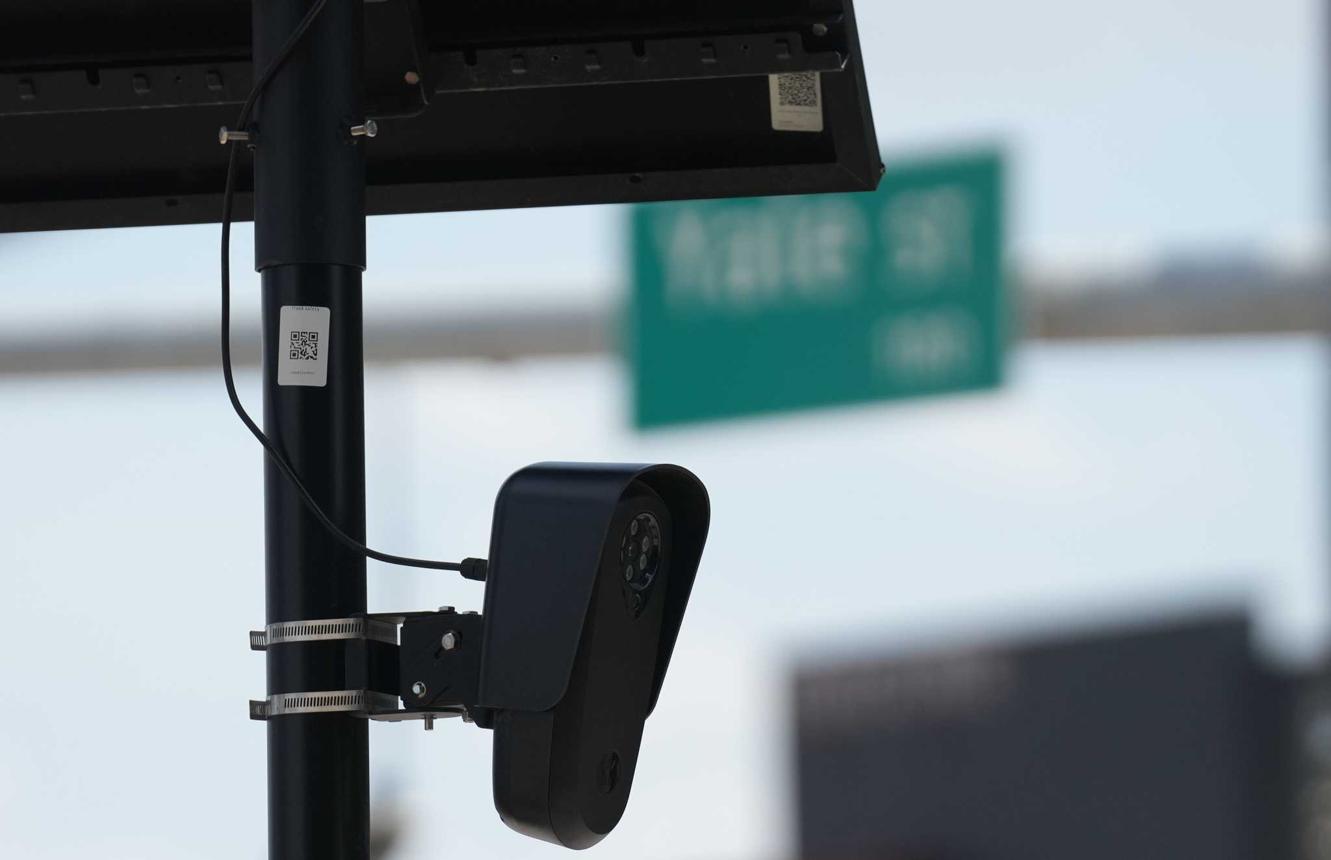
Flock cameras use automated license plate reader technology to capture vehicle information, including license plates, vehicle make and other identifying characteristics. The data can then be searched by law enforcement agencies investigating crimes or looking for vehicles connected to suspects, missing people or thefts.
Police agencies say the technology can help investigators locate stolen vehicles, identify suspects and assist in finding missing people.
Privacy advocates, however, argue that the growing network of cameras can create detailed records of where people drive, raising concerns about how long the information is stored, who can access it and what oversight exists over its use.
“It’s nearly impossible to drive any distance in Texas without the government being able to track your movements,” Nick Hudson, senior manager of policy and advocacy at the ACLU of Texas, told Axios.
Harris County has one of the largest camera networks
The scale of the technology in the Houston region has made Harris County a particular focus of the debate.
An Axios review of public data found more than 4,000 automated license plate readers logged in Harris County on a national tracking map — more than in any other U.S. county.
A separate community-maintained database has identified more than 1,400 license plate readers within 10 miles of downtown Houston, although the database notes that its figures may be incomplete or outdated.
Nationwide, approximately 140,000 automated license plate readers are estimated to be in operation.
Debate reaches Houston and Harris County
The controversy is also playing out at the county and city levels.
Harris County Judge Lina Hidalgo has called for a special Commissioners Court meeting in October to discuss the county’s use of Flock cameras.
Hidalgo abstained from voting in May when commissioners approved an $869,000 contract with Flock by a 4-0 vote. She has criticised what she describes as insufficient oversight and public discussion surrounding the technology, while indicating that she could support continued use if stronger safeguards are put in place.
In Houston, the City Council last month approved a grant application that included funding for additional Flock cameras, despite objections from two council members.
The contrasting decisions highlight a broader question facing communities across Texas: how to balance the potential benefits of automated surveillance in criminal investigations with residents’ concerns about privacy and government monitoring.
For Houston-area residents, the issue is likely to remain part of the wider conversation about public safety, technology and the limits of surveillance as more communities decide whether to expand, restrict or discontinue the use of license plate reader networks.